 How-to
Best Ways to Avoid Salon Booking No-Shows
Table of Contents
- Why Salon No-Shows Cost More Than Lost Time
- Set a Clear Salon No-Show Policy Template
- Send Salon Appointment Reminder Texts That Work
- Require Salon Booking Deposits to Secure Slots
- Choose Salon Booking Software With Built-In Safeguards
- Make Cancellation and Rescheduling Easy
- Recover Lost Slots With Waitlists and Last-Minute Availability
- Track No-Show Patterns and Test What Works
- Frequently Asked Questions
Last Updated: October 19, 2026
Why Salon No-Shows Cost More Than Lost Time
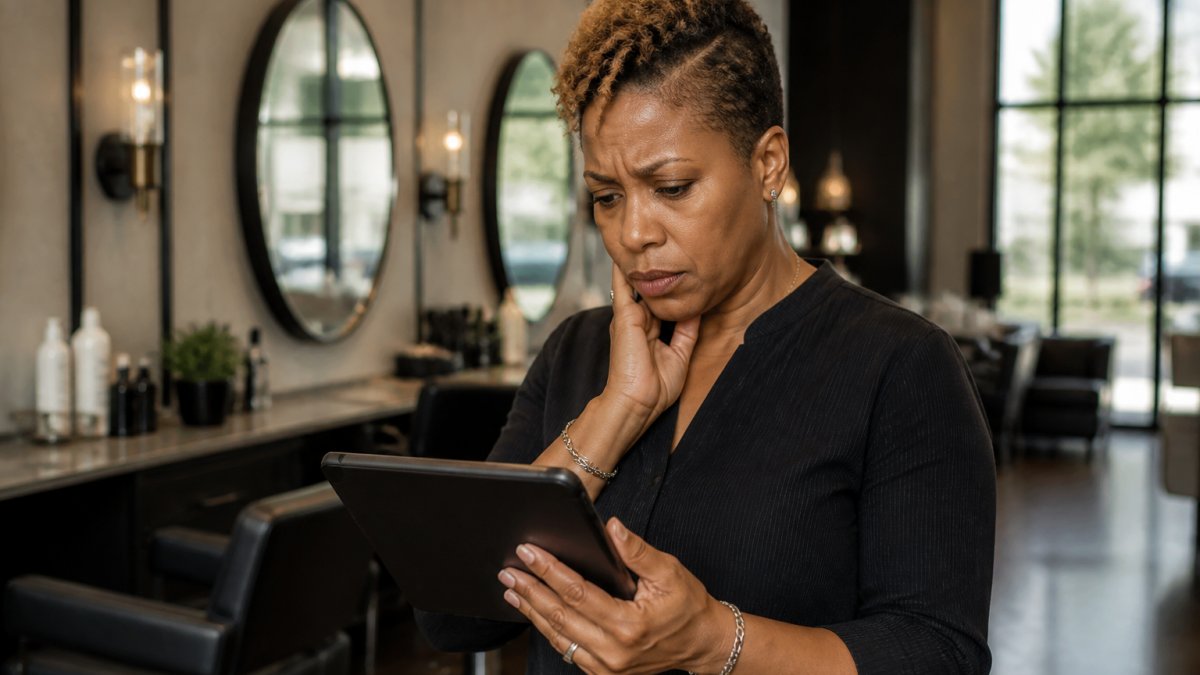
A no-show isn't just a missed appointment. It's a cascade of lost revenue, wasted product costs, and blocked time that could have served paying clients.
At Alyry, we understand how frustrating no-shows are for salon professionals. Our verified marketplace connects clients with top-tier beauty and personal care professionals, and booking gaps directly impact salon profitability.
Here's what actually happens when clients don't show:
- You lose the full service revenue for that time slot
- Product costs (color, treatments, materials) are wasted if prepped in advance
- Your stylist's time sits empty, no billable hours, no tips
- Other clients on the waitlist don't get contacted in time to fill the gap
- Staff morale drops when shifts feel unproductive
- Your monthly revenue becomes unpredictable
The solution isn't complicated. It requires a clear policy, reliable reminders, and booking software that works in your favor. Let's walk through the practical steps that actually reduce no-shows.
Set a Clear Salon No-Show Policy Template
Your salon no-show policy is the foundation. Without one, clients don't know what to expect, and you have no grounds to enforce consequences. A strong policy is written clearly, communicated upfront, and enforced consistently.
Define your cancellation notice window and late-cancellation rules
The cancellation notice window tells clients how much advance warning you need. A 24-hour notice period is standard in the salon industry, it gives you time to fill the slot or adjust staffing. Some salons require 48 hours for specialty services like color or extensions.
Late cancellations are different from no-shows. A late cancellation happens when a client cancels with less than your required notice window. A no-show is when they don't cancel at all and don't arrive.
Here's how to structure your notice rules:
- 24-hour cancellation window: Client cancels 24+ hours before the appointment. No fee.
- Late cancellation (under 24 hours): Client cancels with less than 24 hours' notice. Charge a late-cancellation fee.
- No-show (client doesn't cancel or arrive): Charge a no-show fee equal to or higher than the late-cancellation fee.
You can adjust these windows by service type. Color services might require 48 hours notice because they're harder to reschedule. Quick haircuts might be fine with 12 hours.
Write policies clients actually understand
Confusing policies don't work. Clients need to understand the rules clearly, or they'll dispute fees and blame you. Write your policy in plain language, not legal jargon.
Here's a template you can adapt:
Cancellation and No-Show Policy
We ask for 24 hours' notice if you need to cancel or reschedule your appointment. This helps us serve other clients who are waiting for that time.
If you cancel with less than 24 hours' notice, a cancellation fee of [amount] applies.
Deposits are non-refundable if you cancel within 24 hours of your appointment.
We understand life happens. If you have an emergency, contact us as soon as possible. We'll work with you.
Post this policy on your website, include it in confirmation emails, and ask new clients to acknowledge it when they book.
Send Salon Appointment Reminder Texts That Work
Reminders are your most powerful no-show prevention tool. A text reminder sent at the right time dramatically increases show rates. The key is timing and message clarity.
Timing: when to send reminders for maximum confirmation
Send your first reminder 48 hours before the appointment. This is far enough out that clients remember but close enough that it's top of mind. A second reminder 24 hours before the appointment catches people who might have forgotten the first one.
Some salons send a third reminder the morning of the appointment (2-3 hours before). This works well for early morning slots.
The timing strategy:
- 48 hours before: First reminder. Gives clients time to reschedule if they need to.
- 24 hours before: Second reminder. Catches clients who missed the first one.
- 2-3 hours before: Optional morning-of reminder. Highest confirmation rate but can feel pushy if overdone.
Avoid sending reminders late at night or very early in the morning. Mid-morning or early afternoon works best because people are checking their phones.
Message templates that prompt action
Your reminder message should be short, friendly, and include a clear call to action. Include the appointment details so clients can confirm they have the right time and date.
Template 1: 48-hour reminder
"Hi [Name], just a friendly reminder about your appointment with [Stylist] on [Date] at [Time]. Reply YES to confirm or let us know if you need to reschedule. Thanks!"
Template 2: 24-hour reminder with confirmation request
"[Name], your appointment is tomorrow at [Time] with [Stylist]. Please reply CONFIRM to let us know you're coming. Can't make it? Reply CANCEL and we'll reschedule."
Template 3: Morning-of reminder
"Good morning [Name]! You have an appointment in 2 hours at [Time] with [Stylist]. See you soon!"
Keep messages under 160 characters so they don't split across multiple texts. Use the client's name, it feels personal and gets better response rates.
Require Salon Booking Deposits to Secure Slots
A deposit makes the commitment real. When clients put money down, they're less likely to forget or cancel without notice. Deposits are especially effective for high-value services like color, extensions, or bridal makeup.
How much to charge and what refund terms work
Deposit amounts should be meaningful but not so high that they deter bookings. A common range is 25-50% of the service price. For a $100 service, a $25-$50 deposit is reasonable.
Refund terms are critical:
- Full refund if cancelled 48+ hours before: Encourages early cancellations so you can fill the slot.
- No refund if cancelled within 24 hours: Protects your revenue from last-minute cancellations.
- No refund if no-show: The deposit is forfeited entirely.
Some salons apply the deposit toward the service if the client shows up. This feels fair to clients and reduces friction.
Deposit structure example:
- Service cost: $150
- Deposit required: $50
- If client shows up: $50 is applied to the $150 bill. They pay $100 more.
- If client cancels 48+ hours early: Full $50 refund.
- If client cancels within 24 hours: $50 is forfeited.
- If client no-shows: $50 is forfeited.
Accessibility and fair exceptions
Deposits work, but they can create barriers for clients with tight budgets or unpredictable schedules. Consider offering exceptions for:
- Clients with a strong booking history and no previous no-shows
- First-time clients (to reduce friction for new bookings)
- Clients booking services under a certain price point
- Clients in hardship situations (illness, job loss, emergency)
A fair approach builds client loyalty and keeps your salon welcoming. You can enforce deposits strictly for repeat no-shows while being flexible for first-time mistakes.
Choose Salon Booking Software With Built-In Safeguards
The right booking software automates reminders, collects deposits, and tracks no-show patterns. Look for tools that handle these features so you don't have to manage them manually.
Features that reduce no-shows automatically
The best salon booking software includes:
- Automated SMS reminders: Sends texts at times you set without manual effort.
- Confirmation requests: Asks clients to confirm attendance via text or email.
- Deposit collection: Charges deposits at booking and handles refunds based on your policy.
- No-show tracking: Flags repeat no-shows so you can take action.
- Waitlist management: Automatically notifies waitlisted clients when slots open.
- Client communication history: Shows you past cancellations and no-shows for each client.
Alyry's verified marketplace makes it easy for clients to book with top-tier beauty and personal care professionals and includes features that support your salon's no-show prevention strategy. When clients book through a trusted platform with clear policies upfront, they're more likely to honor their commitments.
Make Cancellation and Rescheduling Easy
Counterintuitive as it sounds, making cancellation easy actually reduces no-shows. When clients can't reschedule or cancel easily, they sometimes just don't show up instead of dealing with the hassle.
Offer multiple ways to cancel or reschedule:
- Online self-service: Clients cancel or reschedule through your booking system without calling.
- Text reply: Clients text CANCEL or RESCHEDULE and get an instant confirmation.
- Phone option: Have someone available to answer cancellation calls quickly.
- Email: Accept cancellations via email for clients who prefer it.
Make the process frictionless. If a client has to jump through hoops to cancel, they'll ghost you instead. A cancelled appointment is better than a no-show because you can fill the slot.
Recover Lost Slots With Waitlists and Last-Minute Availability
Even with strong prevention, some no-shows will happen. Waitlists let you recover that lost revenue quickly.
When a client cancels or no-shows, immediately contact your waitlist. Text or call clients waiting for that service type and time window. Many will jump at the chance to move up.
Here's the process:
- Client cancels or no-shows.
- You have a 30-minute window to contact waitlisted clients.
- Text: "Hi [Name], we have an opening with [Stylist] today at [Time]. Can you make it?"
- First client to confirm gets the slot.
Some salons also keep a same-day availability list. When slots open, they text or email clients who booked weeks out and ask if they want to move their appointment up.
Track No-Show Patterns and Test What Works
You can't improve what you don't measure. Start tracking your no-show rate and the reasons behind cancellations.
Calculate your no-show rate:
No-show rate = (Number of no-shows ÷ Total appointments booked) × 100
If you had 200 appointments booked and 20 no-shows, your rate is 10%. Most salons average 10-15% without prevention systems in place.
Track these metrics:
| Metric | What It Tells You | Action |
|---|---|---|
| No-show rate | Overall no-show frequency | Set a target (e.g., reduce to 5%) |
| Late-cancellation rate | How many cancel within 24 hours | Increase deposit amounts or reminder frequency |
| Confirmed appointments | Clients who reply to reminders | Higher confirmation = lower no-shows |
| Repeat no-shows | Clients with multiple no-shows | Consider stricter policies or removing from booking |
| Waitlist fill rate | How many no-shows you recover | If low, expand waitlist outreach |
Test one change at a time. Try requiring deposits for one month and measure the impact. Then try a third reminder and measure again. This tells you what actually works in your salon.
Salon no-shows drain revenue and frustrate your team. A clear policy, reliable reminders, deposits, and good booking software work together to prevent them. Start with whichever strategy will have the biggest impact on your salon, for most, that's automated appointment reminders.
The goal isn't perfection. It's reducing no-shows enough that your schedule stays full and your revenue becomes predictable.
Frequently Asked Questions
How can salons avoid no-show appointments?
Combine multiple strategies: set a clear no-show policy, require deposits or prepayment, send appointment reminders via SMS or email 24-48 hours before the appointment, use booking software with automated confirmations, and make rescheduling easy. The most effective approach depends on your client base and booking setup.
Should salons require deposits for appointments?
Yes, deposits significantly reduce no-shows because clients have financial skin in the game. A deposit equal to 25-50% of the service cost works for most salons. Offer a full refund if the client cancels with adequate notice (typically 24-48 hours), but keep the deposit if they no-show. Always provide exceptions for genuine emergencies and communicate refund terms clearly upfront to avoid disputes.
What should salon appointment reminder texts say?
Effective reminder texts are short, specific, and include a clear call-to-action. Example: 'Hi Sarah, we have your cut with Maya tomorrow at 2pm. Reply YES to confirm or call 555-0123 to reschedule.' Send reminders 24-48 hours before the appointment. Include the stylist's name, service, date, time, and a direct way to confirm or cancel. Avoid generic messages; personalization increases confirmation rates.
When should salons send appointment reminders?
Send the first reminder 48 hours before the appointment to give clients time to reschedule if needed. Send a second reminder 24 hours before to catch those who may have forgotten. For early-morning appointments (before 9am), a reminder the evening before works better. SMS typically has higher open rates than email, so prioritize text reminders for time-sensitive confirmations.