 Listicle
Best Ways to Book Local Braiders: 6 Options Compared
Table of Contents
- Why Booking a Local Braider Takes More Than a Quick Search
- The 6 Best Ways to Book Local Braiders Compared
- 1. Alyry: Verified Marketplace for Vetted Braiders
- 2. Airtasker: Request Free Quotes From Reviewed Braiders
- 3. Yelp: Local Listings and Reviews for Discovery
- 4. Zoca Listings: City-by-City Braiding Service Research
- 5. Direct Instagram and Social DMs: Fast but Unverified
- 6. Word-of-Mouth Referrals: Reliable but Limited Reach
- Braiding Appointment Booking Apps: What to Look For
- Braider Reviews and Ratings: How to Read Them Properly
- Questions to Ask a Braider Before Booking
- Braiding Appointment Preparation: What to Do Before You Arrive
- Comparing Total Costs and Avoiding Booking Scams
- Frequently Asked Questions
Last Updated: October 21, 2026
Why Booking a Local Braider Takes More Than a Quick Search
Booking a local braider looks simple until you try it.
At Alyry, we built a verified marketplace for beauty and personal care professionals, including braiders, because this process breaks down so often.
The stakes are real. A braiding appointment can run several hours and cost a meaningful amount, and a rushed or unvetted stylist can leave you with tension damage that takes months to recover from.
The 6 Best Ways to Book Local Braiders Compared
| Booking Method | Verification | Booking Speed | Best For |
|---|---|---|---|
| Alyry | Vetted professionals | Fast, in-app | Booking with confidence |
| Airtasker | Reviews and ratings | Quote wait time | Comparing free quotes |
| Yelp | Public reviews | Contact required | Local discovery |
| Zoca Listings | Listing-based | Varies by listing | City price research |
| Instagram DMs | None | Fast replies | Style browsing |
| Word-of-mouth | Personal trust | Slow | Established networks |
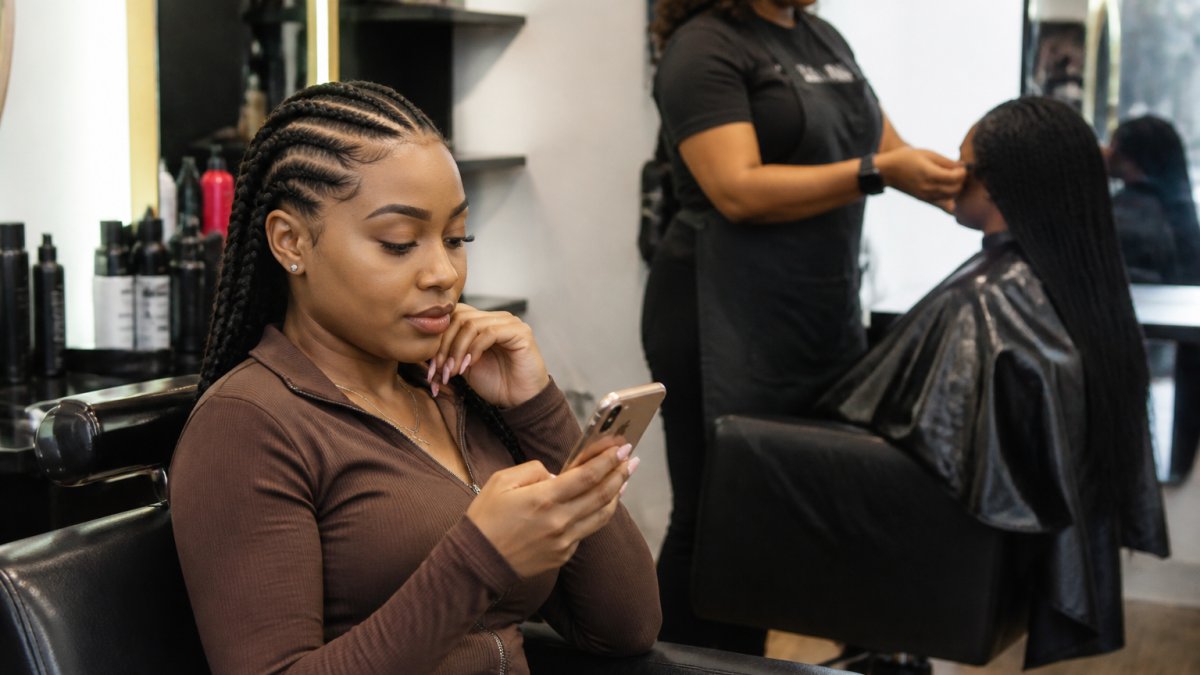
1. Alyry: Verified Marketplace for Vetted Braiders
Our top pick is Alyry, a verified marketplace that connects clients with vetted beauty and personal care professionals, including braiders, barbers, stylists, nail technicians, and makeup artists.
The trade-off is honest: Alyry is a marketplace, not a style inspiration feed. Browse experimental looks on social media first, then bring the style to Alyry and book a verified professional to execute it.
2. Airtasker: Request Free Quotes From Reviewed Braiders
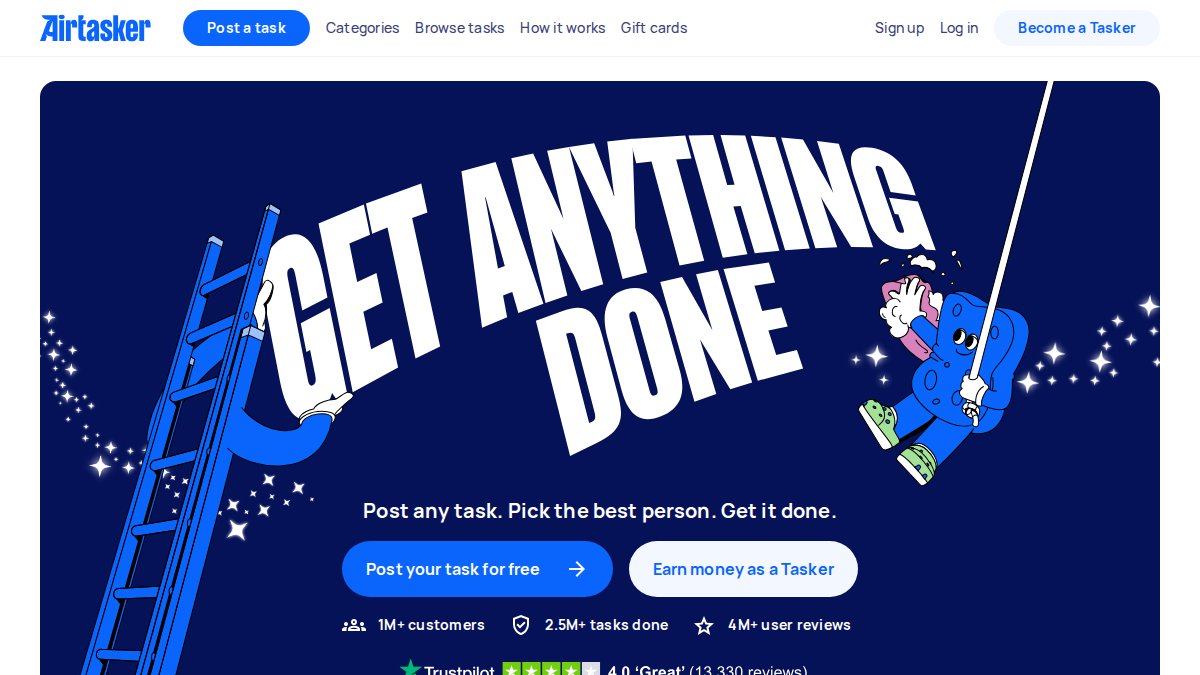
Airtasker works like a job board. You post what you need, local braiders respond with quotes, and you compare. According to Airtasker's hair braiding services page, quote requests are free and providers are shown with reviews and ratings.
The strength is price transparency before you commit. The weakness: you compare quotes, not guaranteed availability, coverage varies by city, and you wait for responses rather than book instantly.
3. Yelp: Local Listings and Reviews for Discovery
Yelp remains a solid starting point for discovery. A search for hair braiding by location returns business names with review ratings, which helps you shortlist quickly. The Yelp hair braiding search results format is familiar and fast.
What Yelp does not do well is close the loop. Many listings require a call or a separate site to book, so you may shortlist five braiders and still make five phone calls.
4. Zoca Listings: City-by-City Braiding Service Research
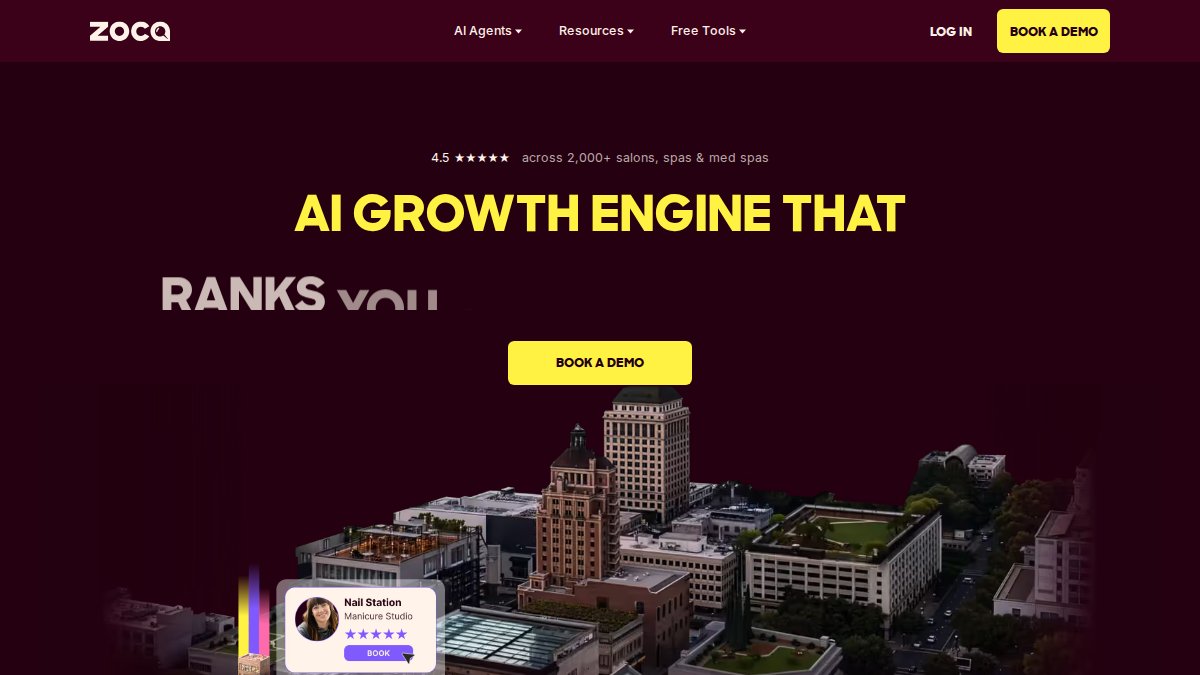
Zoca Listings takes a research-first approach. Its city pages describe local braiding services and, per Zoca's listings directory, some listings support direct booking and show price information.
This is useful when you are moving to a new city and want a sense of the local market before you commit. The limitation is depth: listings vary in completeness, and platform fees are not always clear up front.
5. Direct Instagram and Social DMs: Fast but Unverified
Instagram is where braiding styles actually live. You see the finished work, the parting, the length, the color. Sending a DM is fast, and many braiders reply within a day.
The risk is that a polished feed proves nothing about hygiene, licensing, or reliability. There is no verification layer, no deposit protection, and no recourse if the appointment falls through.
6. Word-of-Mouth Referrals: Reliable but Limited Reach
A referral from a friend who has sat in that chair is still the strongest signal you can get. You inherit their honest assessment of the braider's speed, gentleness, and punctuality.
The catch is reach. If you are new to the city, your network is thin, and one good referral gives you nothing to compare. Pair referrals with a verified marketplace so you are not limited to whoever your coworker happens to know.
Braiding Appointment Booking Apps: What to Look For
A braiding appointment booking app lets you find, compare, and schedule a braider without leaving the app. The best combine verified professional profiles, real availability, clear service menus, and a secure payment path.
Here is the checklist we would use before booking through any app:
- Does the platform verify professionals, or can anyone sign up?
- Can you see real availability, including weekend and weekday appointments?
- Is the service menu explicit about whether hair and accessories are included?
If an app fails more than two of these, it is a discovery tool, not a booking tool.
Braider Reviews and Ratings: How to Read Them Properly
Braider reviews and ratings are only useful if you read past the star average. A five-star profile with twelve reviews tells you less than a four-and-a-half-star profile with two hundred.
Look for reviews that mention the specific service you want. A review praising a silk press says nothing about knotless braids.
Recency matters too. A braider's skill and availability change.
Questions to Ask a Braider Before Booking
The best protection against a bad appointment is a short, direct conversation before you pay. Most competitors stop at "ask about price and availability", not enough. The questions below are grouped by what they protect you from, with what a strong answer sounds like versus a weak one.
Questions about the style and your hair
- "How long will this exact style take, start to finish?" A professional gives a range (for example, "four to six hours for medium knotless braids at your length") and asks about your hair density. A vague "a few hours" or an unrealistically short estimate is a warning sign, rushed braiding is where tension damage starts.
- "Have you done this exact style on hair similar to mine?" Ask for recent photos of that style on your texture and length, not just a highlight reel of a different look. A braider who specializes in locs may not be the right fit for micro braids, and honesty about that is a good sign.
- "How do you prevent tension at the hairline?" Strong answers mention parting technique, section size, and not braiding too tightly at the edges. If the answer is "I just braid tight so it lasts," that is a direct risk to your edges.
Questions about hair, accessories, and the all-in price
- "Is the hair included, or do I bring my own, and what type and how many packs do you recommend?" This single question prevents the most common cost surprise. A good braider names a specific brand or type and a pack count for your style. "Whatever you have" usually means you will overbuy or underbuy.
- "Are accessories included in the quoted price?" Beads, cuffs, and thread are small costs that add up. Get a yes or no in writing.
- "What is the all-in price for this style, with hair and accessories included?" Ask every braider the identical question so you are comparing the same number. A quote that excludes hair is not comparable to one that includes it.
Questions about money, time, and recourse
- "What deposit do you require, and what is your cancellation and reschedule policy?" A professional states a percentage or flat amount and a clear window (for example, a deposit forfeited if you cancel within 48 hours). Refusal to put this in writing is a red flag.
- "How do you prefer payment, and will I get a receipt?" Payment through a platform or a traceable method protects you. Pressure to pay the full balance up front by cash app to an unverified account is the pattern behind most braiding scams.
- "What happens if I need to reschedule, or if you need to?" Symmetry matters. A braider who has a policy for their own cancellations as well as yours is running a business, not doing favors.
How to read the answers
Treat vague answers as signals, not inconveniences. A professional will answer all nine without hesitation and usually volunteers details you did not ask for. If someone dodges the deposit question, cannot show recent work in your style, or pushes you off-platform before you have confirmed identity and policy, move on. One short conversation is far cheaper than a ruined appointment.
Braiding Appointment Preparation: What to Do Before You Arrive
Braiding appointment preparation starts days before you sit down. Arriving with clean, detangled, moisturized hair saves time and protects your scalp during a long session.
- Wash and condition your hair the day before, and let it dry fully.
- Detangle completely, and trim any split ends that will snag during parting.
- Confirm whether you need to bring hair, and buy it early so you are not rushing.
One more thing: confirm the appointment the day before. A quick confirmation message reduces no-shows and mix-ups on both sides.
Comparing Total Costs and Avoiding Booking Scams
The quoted price is rarely the total. Before you compare braiders, build the full number: service fee, hair, accessories, travel if the braider is mobile, and any card or platform fee. Two braiders quoting the same style can differ significantly once you account for what is and is not included.
Build the all-in number before you compare
Use this framework for every braider you shortlist:
Total cost = service quote + hair + accessories + travel + payment fees
Walk through each line the same way for each provider:
- Service quote. Confirm whether it is for your length and density, not a generic starting price.
- Hair. Ask for the type and pack count. Braiding hair is a real cost, and a quote that excludes it is not comparable to one that includes it.
- Accessories. Beads, cuffs, and thread are small line items that add up across a long style.
A simple habit closes most of the gap: ask each braider the identical question, "What is the all-in price for this style, with hair and accessories included?", and compare those numbers, not the headline quotes.
Recognize the common scam patterns
Scam patterns in braiding bookings are consistent and recognizable once you know what to look for:
- Full payment up front to an unverified account. A deposit is normal; a demand for the entire balance before you have confirmed identity and policy is not.
- Pressure to move off-platform immediately. A braider who insists on continuing the conversation only in DMs before you have verified who they are is removing your recourse.
- No written policy. Refusal to state deposit and cancellation terms in writing is a red flag, not a personality quirk.
Protect your payment
Pay through a channel that leaves a record, a marketplace with transaction history, or a traceable method, and keep the deposit proportionate. Before sending money, confirm the braider's identity and cancellation policy in writing. If anything feels off, pause: a legitimate professional will not lose patience with a careful client.
Frequently Asked Questions
How do I find a good braider near me?
Start with a location-based search on a verified marketplace, then cross-check the braider's reviews and portfolio photos. Look for providers who list their service area, opening hours, and whether hair and accessories are included. Yelp and quote-based apps like Airtasker can help you discover options, but confirm availability and pricing directly before booking. If you are new to a city, ask for recent client photos of the exact style you want, not just styled shots from years ago.
What should I check before booking a braider?
Confirm four things: the braider's portfolio shows the style you want on a similar hair type, reviews mention punctuality and scalp care, the total price includes hair and accessories, and the deposit terms are written down. Also ask about hygiene practices, such as clean combs and fresh towels. A braider who answers these questions clearly before you pay is usually a safer booking than one who rushes you toward a deposit.
Which apps can I use to book a hair braider?
Verified marketplaces like Alyry let you book vetted braiders directly, while Airtasker lets you request free quotes from reviewed local providers. Yelp and Zoca Listings are useful for discovery and city-level price research, though you may need to contact the braider to confirm a slot. Social media DMs work for fast replies but offer no verification or payment protection, so treat them as a starting point rather than the final booking method.
How far in advance should I book a braider?
Book one to two weeks ahead for standard styles and three to four weeks for knotless braids, locs, or event styling, since popular braiders fill weekend slots first. If you need a last-minute appointment, filter for weekday availability or contact mobile braiders directly. Ask about the cancellation policy when you book, because deposit terms vary and short-notice changes can cost you the deposit.
How do I compare braiders' prices and services?
Ask each braider for an itemized quote covering the style, hair length, and whether hair and accessories are included. A lower headline price often excludes hair, which changes the total significantly. Compare the full cost, the expected appointment length, and the deposit amount side by side. Request quotes from at least three providers so you can see where the real differences sit before you commit.