 How-to
What Should You Look for in a Stylist?
Last Updated: November 5, 2026
Quick Summary
A good stylist listens more than they talk, matches your goals to a realistic result, and can explain why a style will or won't work for your hair. Skill shows up in the consultation before scissors ever touch your hair, so ask about their experience with your texture, see unfiltered photos of past work, and get a full price quote before booking.
- Know your hair texture and goals before you book anyone, and bring real reference photos.
- A proper consultation covers your history, goal, plan, price, and upkeep.
- Ask for unfiltered photos of past work on clients with similar hair to yours.
- Compare stylists on total cost, including touch-ups, home products, time, and travel.
- Cancel and keep looking if a red flag appears before the appointment.
Table of Contents
- Start With Your Own Hair Type and Goals
- How to Tell If a Hairstylist Is Good
- Questions to Ask a Hairstylist Before Booking
- Hairstylist Red Flags to Watch For
- How to Find a Good Hair Stylist in My Area
- Compare Total Cost and Ongoing Upkeep
- Book a Vetted Stylist on Alyry
- Frequently Asked Questions
Start With Your Own Hair Type and Goals
Finding the right stylist starts with knowing your own hair. Before you book anyone, get clear on your hair type and what you actually want. That information turns a vague search into a focused one.
Most people skip this step. They walk into a salon with a photo and hope for the best. The result is often a cut or color that looks nothing like the picture.
Know Your Texture Before You Book
Your hair texture drives every decision a stylist makes. Curly hair needs a different cutting approach than straight hair. Fine hair holds color differently than coarse hair.
Ask yourself a few simple questions:
- Is my hair straight, wavy, curly, or coily?
- Is it fine, medium, or thick?
- Is it dry, oily, or balanced?
Write the answers down. A good stylist will ask you these questions anyway. Showing up with answers saves time and shows you take your hair seriously.
Define What You Actually Want
"Hair goals" is vague. Get specific. Do you want a trim, a full restyle, or a color change?
Bring real references. Photos of styles you like help more than words. Note what you like about each photo: the length, the layers, the color, the shape.
Also decide your budget and your maintenance limit. A high-impact color may need touch-ups every few weeks. A low-maintenance cut may grow out faster.
How to Tell If a Hairstylist Is Good
A good hairstylist listens more than they talk, matches your goals to a realistic result, and can explain why a style will or won't work for your hair.
Here's what separates a strong stylist from an average one:
- They ask about your routine and how much effort you'll put in
- They tell you when your reference photo won't suit your hair
- They explain the upkeep and cost before starting
For a deeper walk-through on vetting and choosing someone you can trust, see this guide on 7 steps to choose a trusted hairstylist you can rely on. It pairs well with the criteria above.
Questions to Ask a Hairstylist Before Booking
The right questions protect your hair and your wallet. Ask them during a consultation, not after the appointment starts. A stylist who welcomes these questions is usually a good sign.
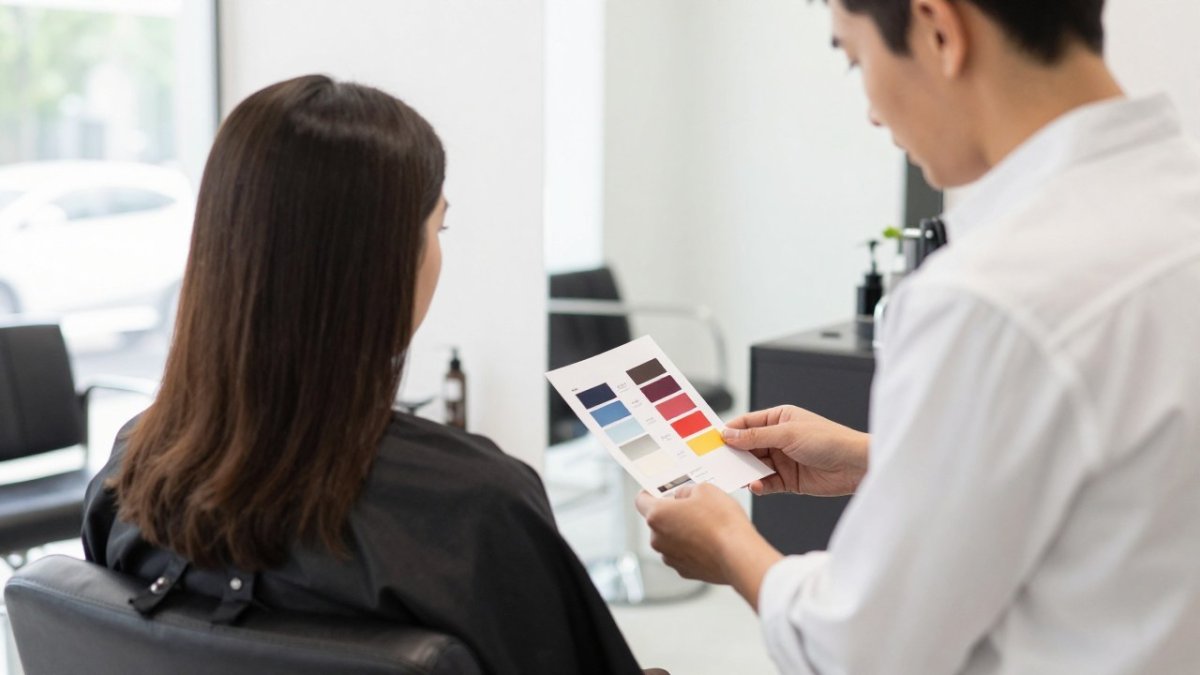
Most top-ranking guides tell you to ask questions but stop short of giving you the actual list. Use this consultation checklist to compare stylists on the same criteria.
The Core Consultation Checklist
About your hair and history
- How would you describe my hair type, texture, and density after seeing it in person?
- Have you worked with my specific texture (for example, coily, wavy, or fine hair) before? Can you show me examples?
- What is my current hair history that matters for this service (previous color, relaxers, heat damage, extensions)?
About the service you want
- Have you done this exact cut, color, or treatment before? How often do you do it?
- Can I see unfiltered photos of your past work on clients with similar hair to mine?
- What would you change about my reference photo to make it work for my hair and face shape?
About cost and time
- What is the full price, including any add-ons, toners, treatments, or product recommendations?
- How long will the appointment take, and how long will the result last before I need a touch-up?
- Are there consultation fees, and do they apply toward the service if I book?
About credentials and fit
- Are you licensed, and where can I verify your license and training?
- What continuing education have you done in the last year related to my hair type or service?
- How do you handle it if a client wants something you believe will not suit their hair?
How to Read the Answers
A strong stylist answers with specifics, not vague reassurance. They will tell you when a reference photo will not work and explain why.
That last point matters. You can learn how to verify licenses and training with this guide to verifying beauty professional credentials.
A stylist who answers clearly and without defensiveness is worth your time. One who dodges questions is not.
Hairstylist Red Flags to Watch For
Red flags show up before, during, and after an appointment. Spotting them early saves you from a bad cut and a bigger bill. The key is knowing what each warning sign actually signals, not just that it exists.
Before You Book
- Only heavily filtered photos, no real client work. Filters hide texture, shine, and color accuracy. Ask for raw photos or short videos of the finished result in natural light.
- No clear pricing or vague answers about cost. A stylist who will not give a range before you sit down is likely to surprise you at checkout. Ask for a written estimate that includes add-ons.
- Rushed replies that ignore your questions. If they cannot answer basic questions about your hair type over text or email, they are unlikely to slow down during the appointment.
Watch out: a stylist who will not let you see unfiltered photos of past work is usually hiding something. Ask for real client examples, and walk away if they cannot provide them.
During the Appointment
- No consultation, or one that lasts under a minute. A proper consultation covers your history, your goal, the plan, the price, and the upkeep. If it is skipped, the stylist is guessing.
- They ignore your reference photos and do their own thing. A good stylist explains why a photo will not work for your hair rather than silently substituting their own idea.
- They bad-mouth other stylists or clients. This is a professionalism signal. It also makes it harder to trust their advice about fixing previous work.
After the Appointment
- They blame your hair for a result you did not want. A professional owns the outcome and offers a fix or a plan, rather than shifting responsibility.
- No aftercare advice or product guidance. Without a maintenance plan, even a good cut or color will fade or lose shape faster than it should.
- Pressure to rebook on the spot. A stylist confident in their work will let you think about it. High-pressure rebooking is a sales tactic, not a service signal.
- They dismiss your concerns when you raise them. If you say the color is not what you asked for and they tell you that you are wrong, that is a clear sign the relationship will not improve.
Fake or misleading reviews are one of the most common warning signs. This breakdown of red flags in salon reviews you should never ignore shows how to read between the lines.
What to Do If You Spot a Red Flag
If the red flag appears before the appointment, cancel and keep looking. If it appears during the appointment, speak up immediately, before the stylist commits to the next step. If it appears after, contact the stylist or salon in writing, describe the specific result versus what was agreed, and ask for their redo or correction policy. A stylist who handles that conversation professionally is still worth keeping.
How to Find a Good Hair Stylist in My Area
The fastest way to find a good hair stylist near you is to combine word of mouth with proof of past work.
Start with these steps:
- Ask friends, family, and coworkers with similar hair who they see
- Search local salons and check their photos and reviews
- Look for stylists who specialize in your hair type or desired service
- Check location and convenience so upkeep stays realistic
- Book a consultation before committing to a full appointment
Location matters more than people admit. A stylist an hour away is hard to keep up with when you need a trim every few weeks.
For a practical walk-through on locating vetted professionals nearby, read how to find vetted hair stylists. It covers where to search and what to check.
Compare Total Cost and Ongoing Upkeep
The price on the menu is only part of what you'll spend. Total cost includes the appointment, the products, and the visits needed to keep the style looking good.
Here's how to weigh it:
| Cost factor | What to ask | Why it matters |
|---|---|---|
| First appointment | Full price with add-ons | Sets your starting cost |
| Touch-up frequency | How often for color or shape | Drives repeat visits |
| Home products | What the style needs | Adds to monthly spend |
| Time per visit | Hours in the chair | Counts as real cost |
| Travel | Distance to the salon | Adds up over a year |
Pricing varies by service, location, and the stylist's experience, so ask for a full quote before you book. To compare quotes fairly across stylists, this guide to comparing beauty service prices fairly breaks down what to include.
A cheaper first cut can cost more over a year if it needs constant fixing. A skilled stylist who gets it right the first time often saves money in the long run.
Book a Vetted Stylist on Alyry
Finding a stylist who fits your hair, budget, and schedule takes legwork. Alyry removes most of it.
Alyry is a verified marketplace that connects you with vetted beauty and personal care professionals. You can search for specialists who match your hair type and service, then book in a few steps.
Ready to start booking? Explore Alyry to find a vetted stylist who matches your hair goals.
Frequently Asked Questions
How can you tell whether a hairstylist understands your hair type?
Ask directly during a consultation and listen for specifics. A stylist who understands your hair texture will describe how they cut, color, or style it, not just agree to a photo. Ask what they would do differently for your curl pattern, density, or porosity. Request photos of past work on clients with similar hair. If the answers stay vague or they push a single method for everyone, keep looking. The right stylist asks about your routine and history before recommending anything.
What are the red flags to look for when choosing a hairstylist?
Watch for a stylist who rushes the consultation, dismisses your concerns, or promises results that ignore your hair type. Other signs include no portfolio, unclear pricing, poor hygiene at the station, and pressure to book before you have asked questions. During the appointment, a stylist who will not explain what they are doing or who ignores your feedback is a warning. Trust your instincts: a good stylist welcomes questions and sets realistic expectations from the first conversation.
What should you ask a hairstylist before booking?
Ask about their experience with your specific hair type and the service you want, whether they have photos of similar work, and how long the appointment will take. Confirm pricing and what it includes, plus cancellation and deposit policies. Ask what aftercare they recommend and how to maintain the result between visits. A short consultation before the appointment lets you judge their communication and listening skills. Bring reference photos and ask how they would adapt the look to your hair.
How do you find a trusted hairstylist in your area?
Start with word of mouth from friends and family whose hair you admire, then check portfolios and reviews. Look for stylists who specialize in your hair type or desired service, and confirm their location and availability fit your routine. A verified marketplace such as Alyry connects you with vetted beauty and personal care professionals, which can help if you are new to a city and have no referrals. Always book a consultation before a major change.
Your hair is worth more than a gamble on a stranger. Take the checklist above, ask the right questions, and let a vetted professional do the rest.